 FR
FR  EN
EN  ES
ES  NL
NL  TR
TR  DE
DE  AR
AR 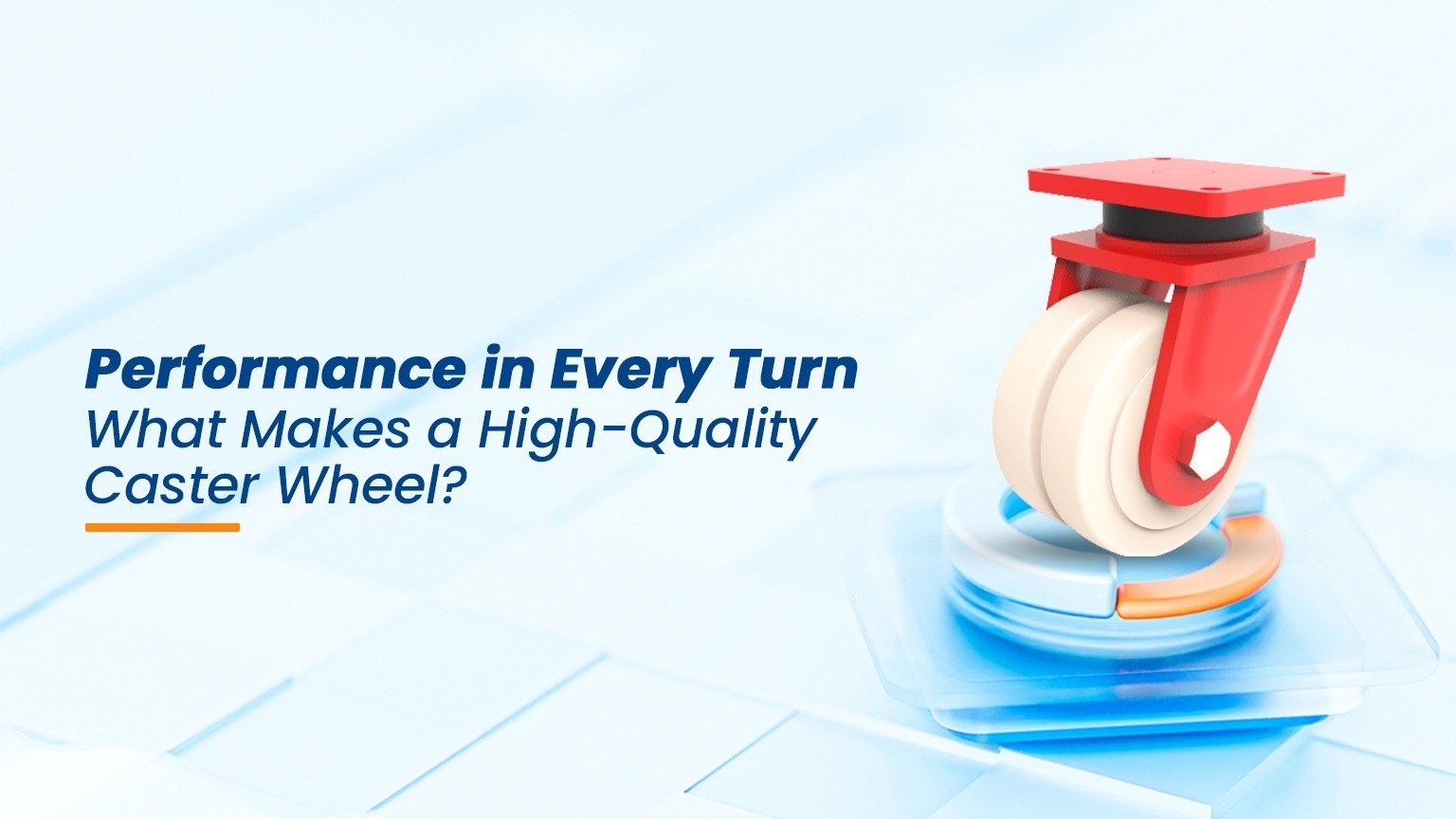
When selecting caster wheels for industrial use, hospital equipment, retail displays, or furniture, quality matters more than many buyers realize. A poor-quality caster can lead to floor damage, noise, breakdowns, or even safety hazards. A high-quality caster wheel, on the other hand, ensures smooth movement, durability, reduced maintenance, and overall cost savings. Below is a complete checklist to help you identify what makes a caster wheel truly reliable — all in easy bullet points.
Choose the Right Material
- Common materials include polyurethane, nylon, rubber, cast iron, and thermoplastic.
- Soft wheels (like PU or rubber) protect floors and reduce noise.
- Harder wheels (like nylon or cast iron) are suitable for rough or heavy-duty surfaces.
- The material should match your application — delicate floors need soft treads, rugged environments need hard wheels.
- Look for chemical resistance, wear resistance, and temperature suitability.
Understand Load Capacity
- Check the load rating per caster and calculate based on total equipment weight.
- Add at least a 25% safety margin to prevent overloading.
- Using low-capacity casters on heavy equipment leads to early failure.
- Distribute the weight evenly across all wheels.
- Higher capacity casters are essential for warehouse trolleys, hospital beds, and industrial machines.
Select Appropriate Wheel Diameter and Width
- Larger diameter wheels move easily over uneven or rough surfaces.
- Wider wheels offer more stability and reduce floor wear.
- Small wheels work for compact, lightweight applications.
- Match wheel size to floor condition, load weight, and movement frequency.
- Bigger wheels also offer better shock absorption.
Focus on Bearings for Smooth Movement
- Choose from ball bearings, roller bearings, or plain bearings.
- Ball bearings offer smooth and fast movement for mobile equipment.
- Bearings reduce friction and ease manual effort.
- Sealed bearings protect against dust and moisture, ideal for clean or outdoor environments.
- High-quality bearings also reduce maintenance needs.
Check the Mounting Type
- Common types: top plate and stem mountings.
- Plate mountings provide more stability and are suited for heavy-duty use.
- Stem types work well for lightweight equipment like chairs or display racks.
- Verify hole spacing and dimensions for proper fitting.
- A good fit ensures safe operation and long-term durability.
Evaluate Braking Options
- Brakes are essential for mobile equipment on slopes or uneven surfaces.
- Types include wheel-only brakes, swivel locks, and total lock systems.
- Total lock brakes stop both the wheel and swivel for maximum safety.
- Choose the brake type depending on how frequently the equipment is moved.
- Brakes should be easy to operate and hold firm when locked.
Understand Swivel and Fixed Castor Wheels
- Swivel wheels rotate 360° for high maneuverability.
- Fixed castor wheels move in one straight direction, offering better stability.
- For most trolleys, use a combination of two swivel and two fixed castor wheels.
- Swivel wheels are great for navigating tight corners or crowded spaces.
- Fixed wheels are ideal for straight-line movement like assembly lines.
Match Wheels with Application Needs
- Check if the wheel suits your specific industry.
- Heat-resistant casters are ideal for bakeries and furnaces.
- Quiet wheels are preferred in hospitals, hotels, and libraries.
- Oil and chemical-resistant casters are necessary in labs or food processing units.
- Always ensure the wheel type matches the operational environment.
Inspect Build Quality and Finish
- Look for smooth finish, solid welding, and robust construction.
- Poorly built wheels wear out fast and pose safety risks.
- Uniform construction ensures consistent performance under load.
- Anti-corrosion coatings extend caster life, especially in humid or wet areas.
- High-quality finish improves both aesthetics and durability.
Confirm Spare Parts and Service Availability
- Reliable access to spares ensures long-term usability.
- Choose caster types that offer replaceable parts like wheels, brackets, or bearings.
- Quick availability of parts reduces downtime.
- Support from the supplier should include guidance for installation and maintenance.
- Warranty and after-sales service are added advantages.
Consider Noise and Vibration Levels
- For noise-sensitive areas, choose low-noise wheels like PU or soft rubber.
- Vibration-absorbing designs protect both the floor and the equipment.
- Quiet operation improves comfort in workspaces.
- Trial runs help check how noisy the wheels are in real use.
- Excessive vibration leads to early damage and discomfort.
Protect Your Flooring
- Soft-tread casters prevent floor scratches and dents.
- Non-marking wheels are ideal for tiles, marble, and wooden floors.
- Avoid hard materials for delicate indoor flooring.
- Use wheels with rounded edges or protective coatings for extra safety.
- Proper wheel choice improves both floor life and caster performance.
Ensure Easy Maintenance and Hygiene
- In food, pharma, or hospital settings, casters must be easy to clean.
- Washable wheels with smooth surfaces help maintain hygiene.
- Rust-free components and sealed bearings avoid dirt buildup.
- Stainless steel frames enhance cleanliness in sensitive environments.
- Choose designs that don’t trap debris or liquids.
Look for Customization Options
- Custom caster wheels help solve specific movement problems.
- Available customizations include wheel size, tread type, color, and mounting style.
- Tailored casters improve performance in unique or niche applications.
- Bulk users or manufacturers can request branding or special dimensions.
- Ensure minimum order quantity and lead time before placing a custom order.
Balance Cost with Quality
- Cheap casters may break down faster, increasing long-term costs.
- Assess lifetime value instead of just upfront pricing.
- Durable caster wheels reduce the need for frequent replacements.
- Better wheels also reduce downtime and increase user satisfaction.
- Choose a product that fits your budget and performance expectations.
Final Thoughts: Make a Smart Purchase Decision
A high-quality caster wheel is much more than a moving part — it’s a foundation for safety, efficiency, and smooth operation. From material and size to load capacity and environment suitability, every aspect of the wheel impacts your equipment’s reliability and your team’s productivity.
Use this checklist to evaluate caster wheels based on your specific requirements. Whether you’re purchasing for industrial, commercial, or institutional use, an informed decision will help you avoid future problems and get the best value for your investment.